
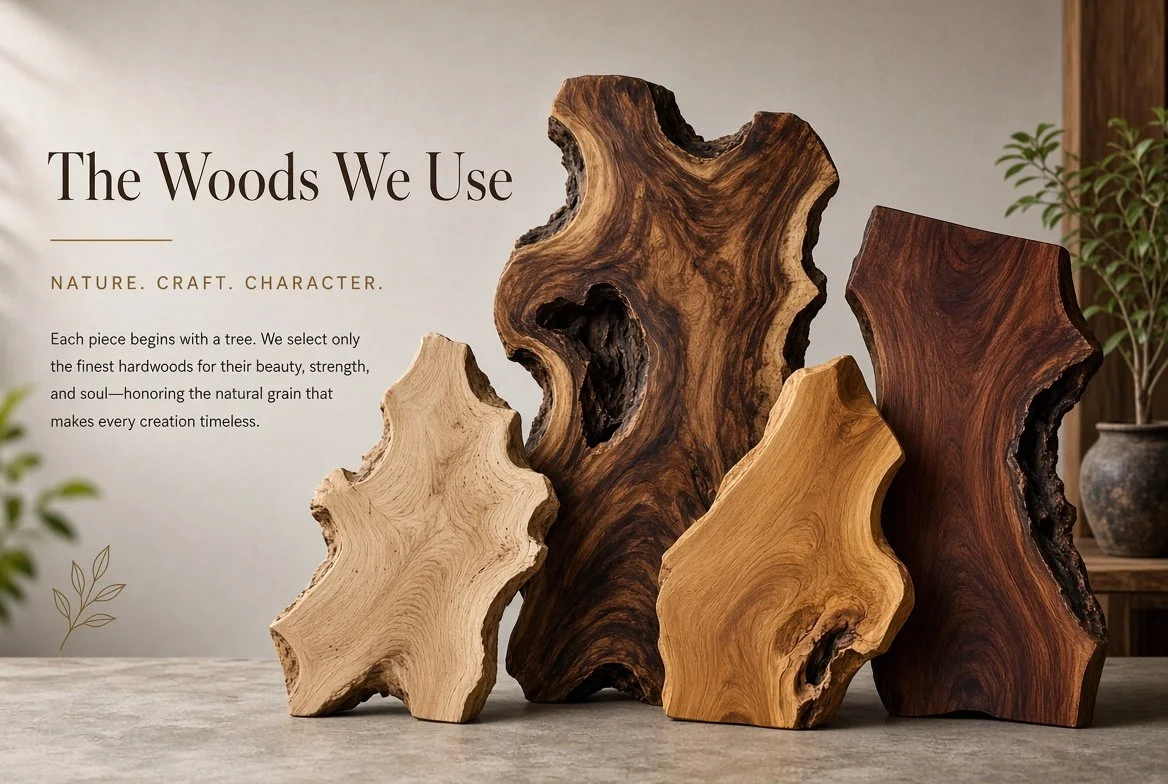
A Clear Guide to Suar, Mindi, Teak & Related Species
At Destino Trading we work exclusively with solid hardwood. This guide explains the primary woods in our collection and clears up the common confusion surrounding Suar wood (also sold as Monkeypod, Rain Tree, & other names).
Suar Wood — The One People Get Confused About
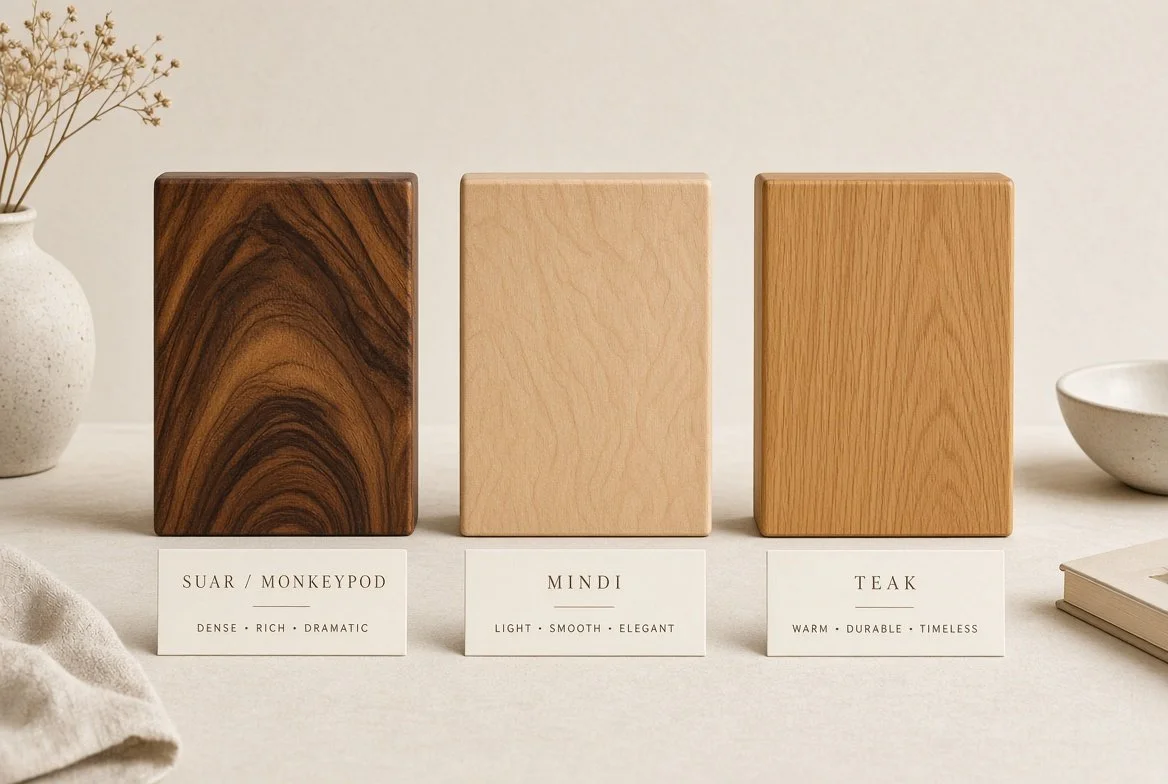
Suar is the Indonesian and Southeast Asian trade name for the wood of the Rain Tree. It is the same species sold under several other common names. Understanding this prevents confusion when comparing furniture from different makers or regions.
Scientific Identity
Botanical name: Samanea saman (synonyms include Albizia saman and Pithecellobium saman).
Native to Central and South America; widely planted and naturalized across the tropics, including Indonesia, where most commercial furniture-grade material originates.
Common Names by Region
Suar / Suar wood — Indonesia, Malaysia, Singapore (the name we use)
Monkeypod / Monkey Pod — Hawaii and much of the U.S. trade
Rain Tree / Raintree — widely used English name
Trembesi — Indonesia
Saman — Latin America and scientific literature
Also: Five o’clock tree, Cow Tamarind, East Indian Walnut (regional)
These are not different woods. They are different trade or regional names for the same species.
Key Characteristics
Janka hardness: approximately 850–900 lbf
Density: roughly 600 kg/m³ (medium-density hardwood)
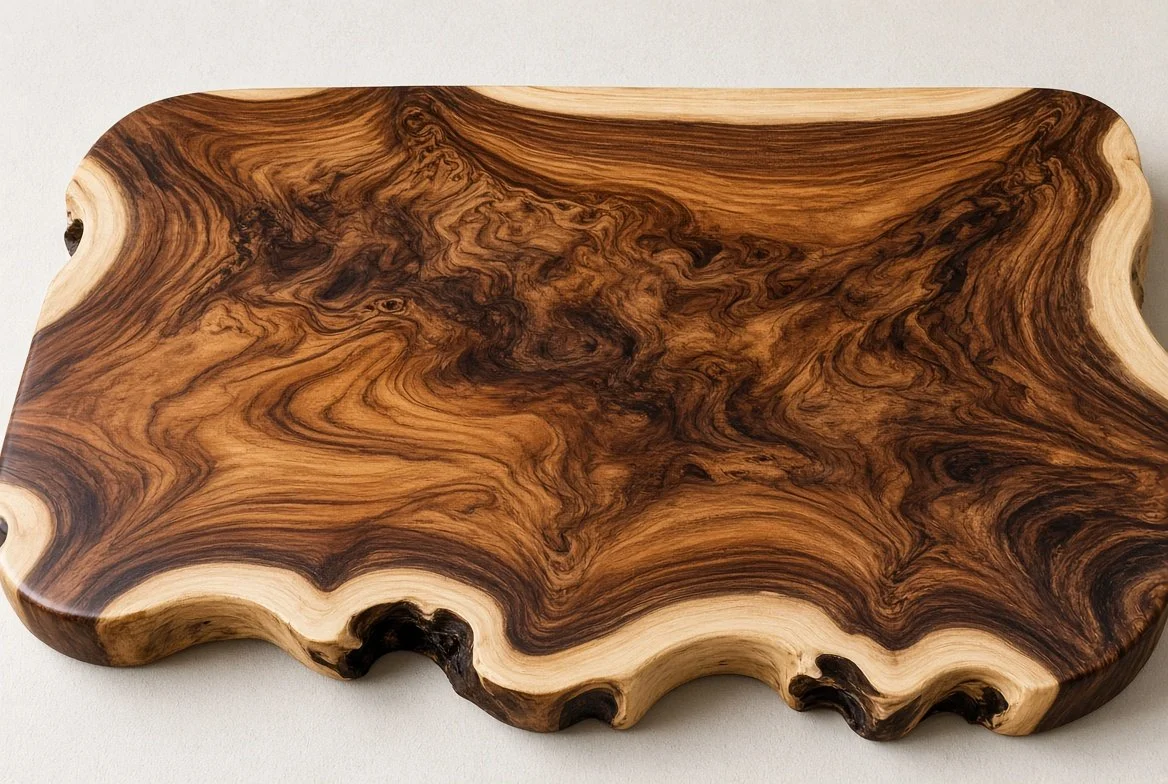
Color: golden to dark chocolate-brown heartwood with contrasting lighter sapwood
Grain: often interlocked or wavy; dramatic figure on live-edge slabs
Large trunk diameters allow wide, single-slab tabletops
Best used indoors or covered outdoor; requires proper kiln-drying for stability
Suar vs Parota (Guanacaste) — Important Distinction
Parota is frequently confused with Suar/Monkeypod because both produce large, dramatic live-edge slabs with light/dark contrast. They are related (both legume-family trees) but they are not the same species.
Parota / Guanacaste = Enterolobium cyclocarpum
Native primarily to Mexico and Central America. Often marketed in North America for oversized dining and conference tables. Slightly different density, grain character, and regional availability from Suar.
At Destino Trading, the live-edge pieces we describe as Suar are Samanea saman (the Indonesian/Southeast Asian material). When we work with Mexican material of the Parota type, we identify it accordingly. Clear naming protects both the customer and the integrity of the piece.
Our Other Primary Woods
Mindi (Melia azedarach)
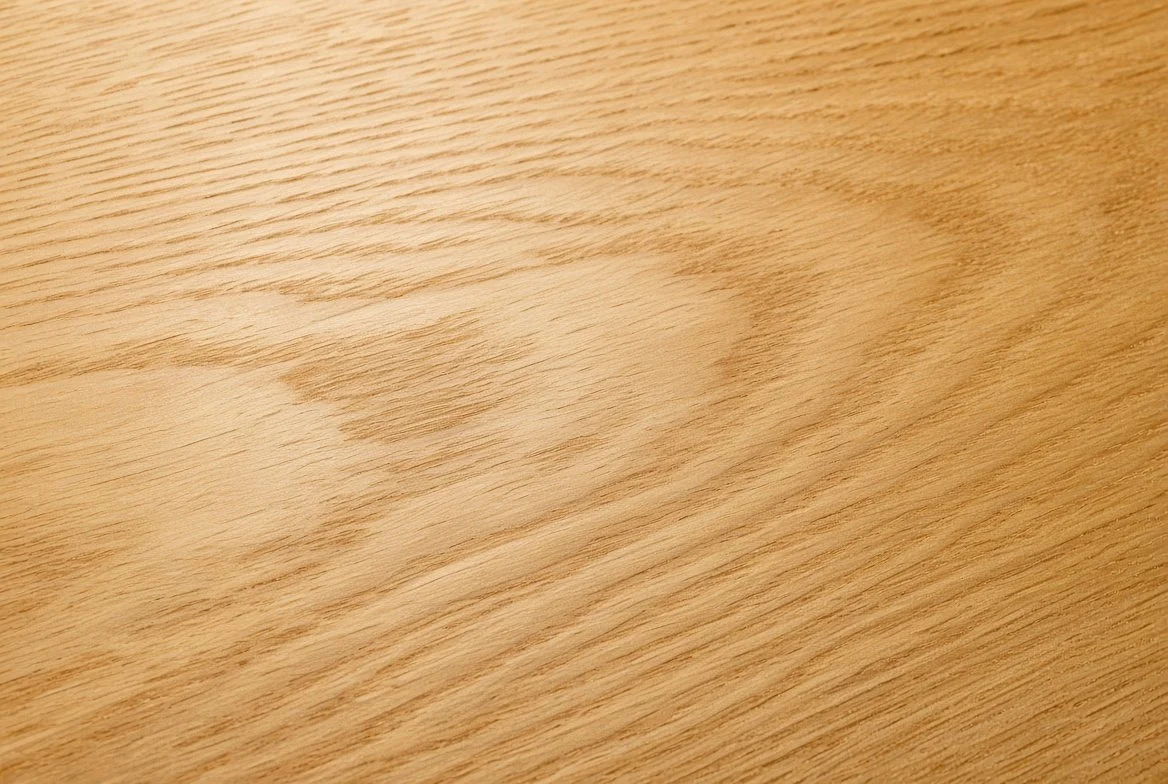
Also called Chinaberry or White Cedar in furniture trade. Medium-density tropical hardwood with fine-to-medium grain and warm golden to honey tones. Excellent dimensional stability when kiln-dried. Janka ~990–1,055 lbf (comparable to red oak). Ideal for clean architectural pieces such as bookshelves and cabinetry.
Teak (Tectona grandis)
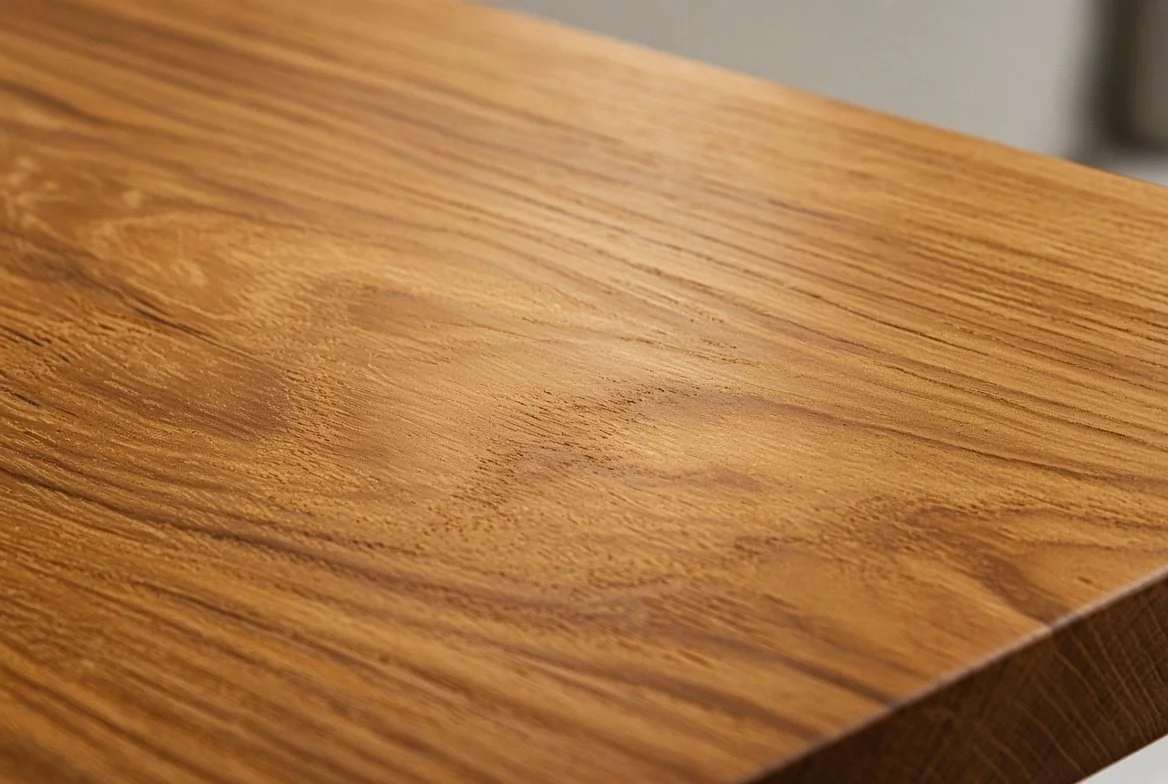
The classic premium hardwood. High natural oil content, outstanding durability and weather resistance. Janka ~1,000–1,155 lbf. We use it selectively when a design specifically benefits from its properties.
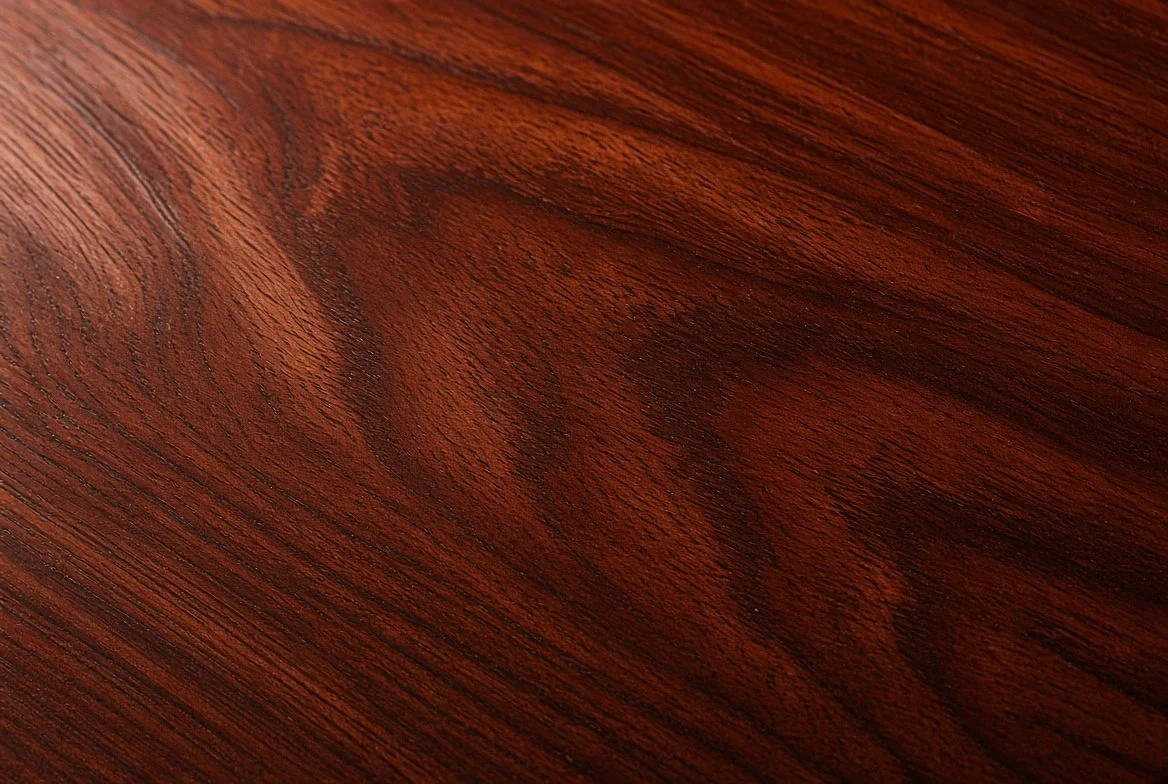
Mahogany
Rich reddish-brown tones and elegant grain. Traditional choice for refined indoor furniture. Used thoughtfully for pieces that call for classic depth and warmth.
| Wood | Janka (approx) | Stability | Character | Best For | Price Tier |
|---|---|---|---|---|---|
| Mindi (ours) | 990–1,055 | Excellent | Clean, light, oak-like | Shelving, cabinets | Mid |
| Suar / Monkeypod (ours) | 850–900 | Good* | Dramatic live-edge | Statement tables | Mid–Premium |
| Teak | 1,000–1,155 | Outstanding | Golden, oily | Outdoor / high-wear | Premium |
| Mahogany | ~800–900 | Very good | Rich reddish-brown | Classic indoor | Premium |
| Red / White Oak | 1,200–1,360 | Good | Open grain, classic | Everyday solid wood | Mid–Premium |
| Acacia | 1,700+ | Good | Bold, often rustic | Modern solid sets | Mid |
| Rubberwood | ~800–900 | Moderate | Uniform, pale | Mass-market | Budget–Mid |
| Parota (distinct species) | Lower density | Moderate | Large slabs, contrast | Oversized tables | Mid–Premium |
*Suar / Monkeypod stability depends heavily on proper kiln-drying. Poorly dried material is prone to movement.
Why Clear Naming Matters
Furniture buyers often encounter the same physical wood under different labels depending on the country of the seller or the marketing preference of the brand. Suar, Monkeypod, and Rain Tree are the same species. Parota is a different (though related) species frequently used for similar live-edge applications.
We name our woods accurately so you know exactly what you are purchasing. Solid exotic hardwood, correctly identified and properly dried, is the foundation of every Destino piece.
Questions about a specific piece or wood species? Contact us at Contact@DestinoTrading.com or (435) 659-4539.